


 Send Inquiry
 Send Inquiry
Chilli Grinding Plant
Price 5000000 INR/ Unit
MOQ : 1 Unit
Chilli Grinding Plant Specification
- Product Type
- Chilli Grinding Plant
- General Use
- Industrial
- Material
- Stainless Steel
- Voltage
- 220-440 Volt (v)
- Color
- Blue
- Warranty
- 1 Year
Chilli Grinding Plant Trade Information
- Minimum Order Quantity
- 1 Unit
- Supply Ability
- 10 Units Per Month
- Delivery Time
- 10 Days
- Main Export Market(s)
- Asia, Australia, Central America, North America, South America, Eastern Europe, Western Europe, Middle East, Africa
- Main Domestic Market
- All India
About Chilli Grinding Plant
A Bean stew Grinding Plant is a particular modern arrangement intended for handling and grinding dried red stew peppers into different structures, for example, stew powder or stew drops. Stew grinding plants are generally utilized in the food handling and flavor fabricating businesses to create ground bean stew items that can be utilized as fixings in different culinary applications. Stew Grinding Plants can deliver different sorts of bean stew items, including:
- Stew Powder: Finely ground bean stew particles reasonable for use as a flavoring or fixing.
- Bean stew Chips: Coarser particles that add intensity and flavor to dishes.
- Stew Mixes: Combinations of ground bean stew peppers with different flavors or flavors.
FAQs of Chilli Grinding Plant:
Q: What is a Stew Grinding Plant?
A: A Bean stew Grinding Plant is an office or arrangement outfitted with hardware and gear intended to handle dried red bean stew peppers into ground stew items. It includes steps like cleaning, drying, grinding, and bundling of the chillies.
Q: What are the uses of ground bean stew items created by Bean stew Grinding Plants?
A: Ground stew items are regularly utilized as fixings in different cooking styles and food items, like sauces, flavors, snacks, prepared to-eat feasts, and the sky is the limit from there.
Q: Can Stew Grinding Plants handle different sorts of flavors or spices?
Some time Stew Grinding Plants are specific for handling bean stew peppers, comparative arrangements can be utilized to deal with other dried flavors or spices into ground structures.
Q: How would I pick the right sort of Bean stew Grinding Plant for my necessities?
A: Consider factors, for example, your creation volume, wanted yield quality, required molecule size, and accessible space. Talking with producers or specialists can assist you with choosing the suitable arrangement for your particular prerequisites.
Durable Stainless Steel Construction
The plant features a robust build using high-quality stainless steel, ensuring long-lasting durability and corrosion resistance. This material choice makes the machinery ideal for continuous industrial operations, maintaining hygiene standards and facilitating easy cleaning.
Efficient Power Operation
Designed to operate within a 220-440 Volt voltage range, the plant is suitable for diverse power infrastructures found in industrial settings. This flexibility ensures consistent, stable performance and minimal downtime, optimizing the grinding process for large-scale chilli processing.
FAQ's of Chilli Grinding Plant:
Q: How is the Chilli Grinding Plant used in industrial applications?
A: The Chilli Grinding Plant is primarily used to efficiently grind chillies into fine powder or paste for industrial-scale production. It is equipped with robust stainless steel components to withstand continuous use in factories, spice manufacturing units, and food processing plants.Q: What is the process involved in grinding chillies with this plant?
A: The process involves feeding raw chillies into the plant, where they pass through a series of grinding mechanisms. The stainless steel construction ensures hygienic processing, and the plant consistently produces fine, uniform chilli powder suitable for bulk packaging and further processing.Q: When should regular maintenance be performed on this plant?
A: Regular maintenance should be conducted based on usage frequency, but routine checks are recommended every few weeks. The comprehensive 1-year warranty provides support for servicing needs, ensuring smooth and uninterrupted operation during this period.Q: Where is the Chilli Grinding Plant manufactured and supplied?
A: This plant is manufactured and supplied in India, catering to domestic as well as international markets. As an exporter, manufacturer, service provider, and supplier, the company ensures widespread availability and support across various regions.Q: What are the benefits of choosing a stainless steel Chilli Grinding Plant?
A: Choosing a stainless steel construction offers enhanced durability, corrosion resistance, and easy cleaning. These attributes are vital for meeting industrial hygiene standards and prolonging equipment life, leading to lower maintenance costs and higher productivity.Q: How does the plant handle power requirements in different industrial settings?
A: With a voltage compatibility of 220-440V, the plant is versatile enough to operate in various industrial environments. This adaptability ensures stable performance and allows for easy integration into existing power systems in manufacturing facilities.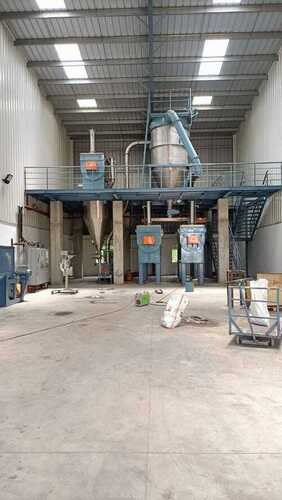
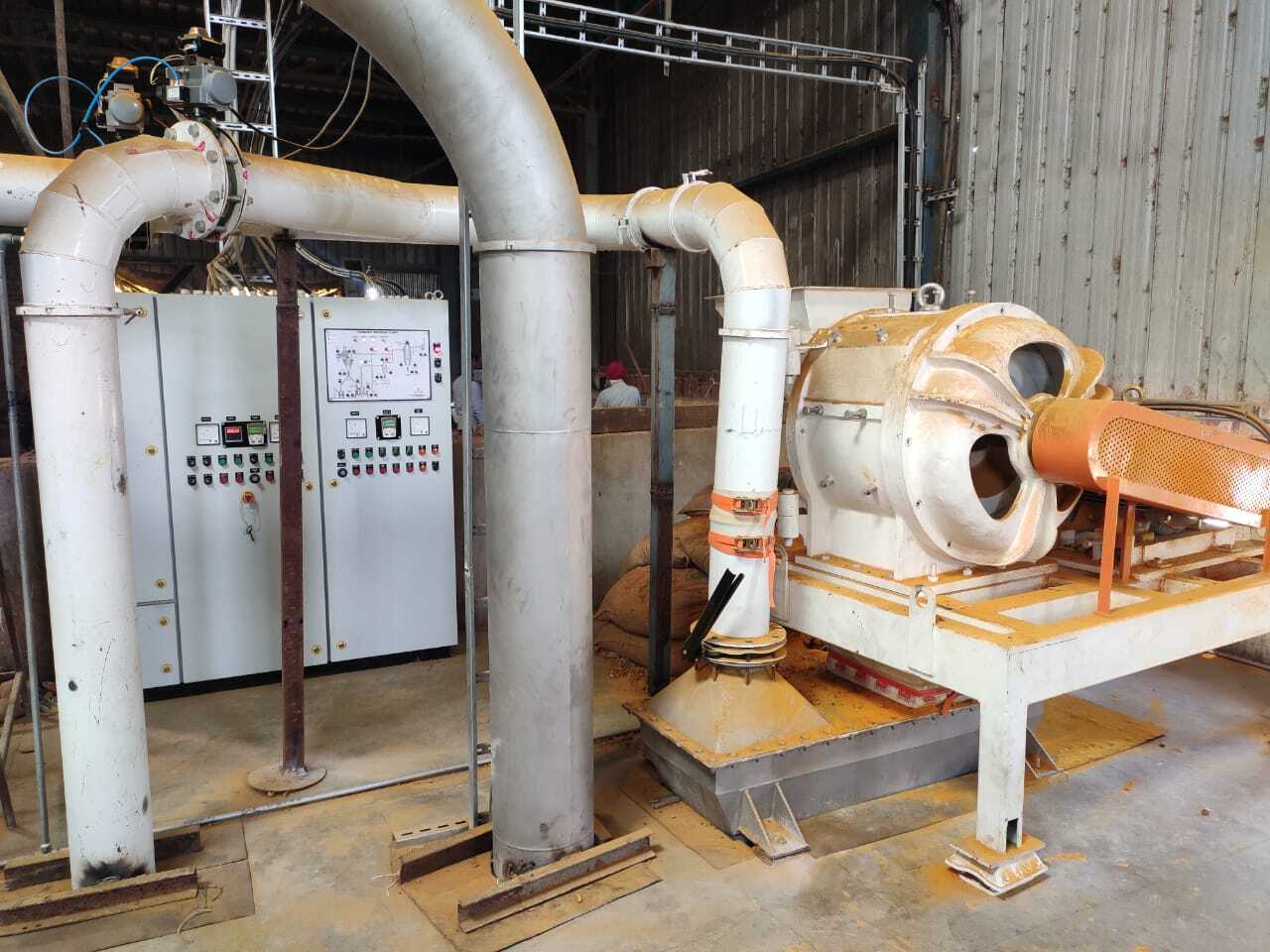
Tell us about your requirement

Price:
Quantity
Select Unit
- 50
- 100
- 200
- 250
- 500
- 1000+
Additional detail
Mobile number
Email

More Products in Grinding & Cleaning System Category
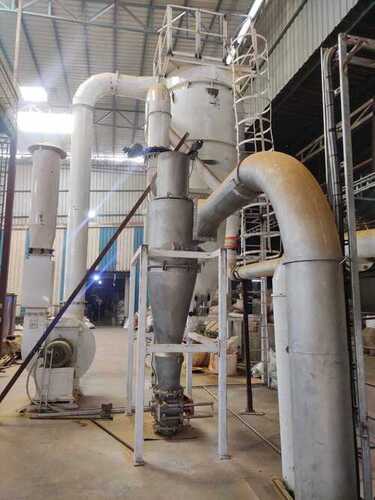
Brewery Grain Handling System Supplier
Price 2000000 INR / Unit
Minimum Order Quantity : 1 Unit
Product Type : Brewery Grain Handling System Supplier
General Use : Industrial
Voltage : 220440 Volt (v)
Color : Other, Silver

Rathi Engineering Solutions Private Limited
All Rights Reserved.(Terms of Use)
Developed and Managed by Infocom Network Private Limited.
Developed and Managed by Infocom Network Private Limited.

