


 Send Inquiry
 Send Inquiry
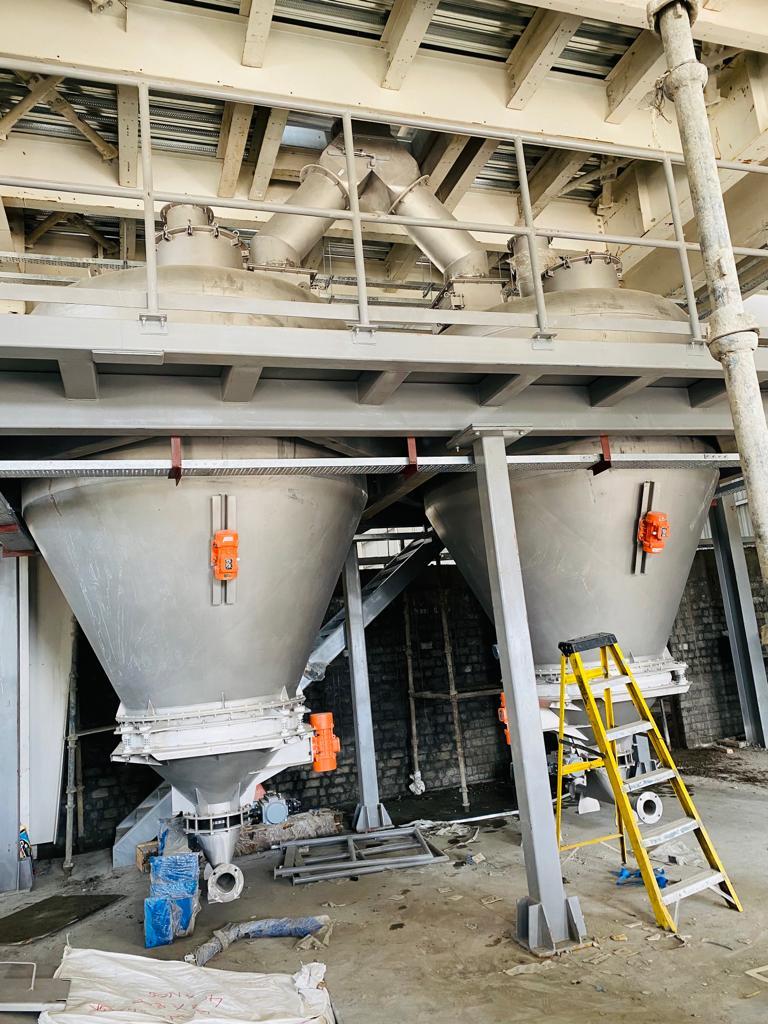
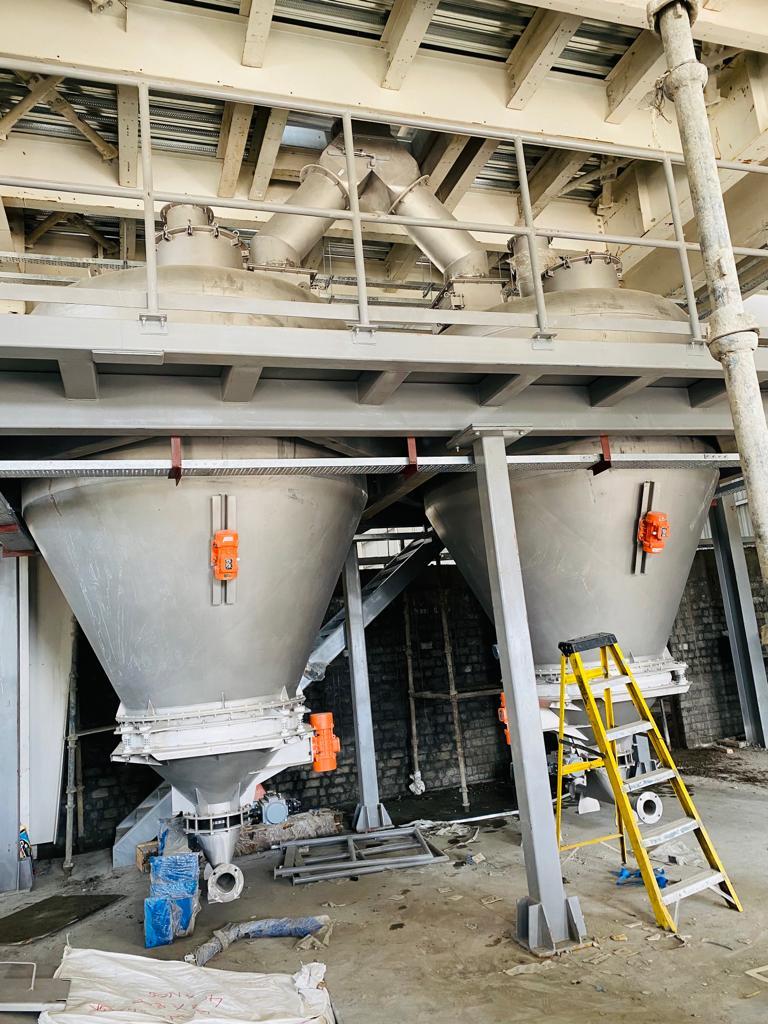
Weighing and Batching System
Price 800000 INR/ Unit
MOQ : 1 Unit
Weighing and Batching System Specification
- Usage
- Industrial
- Material
- Mild Steel
- Size
- Sizes Available
- Product Type
- Weighing and Batching System
- Color
- Silver
- Voltage
- 220-440 Volt (v)
- Warranty
- 1 Year
Weighing and Batching System Trade Information
- Minimum Order Quantity
- 1 Unit
- Supply Ability
- 10 Units Per Month
- Delivery Time
- 10 Days
- Main Export Market(s)
- Asia, Australia, Central America, North America, South America, Eastern Europe, Western Europe, Middle East, Africa
- Main Domestic Market
- All India
About Weighing and Batching System
A Weighing and Batching System is a particular arrangement utilized in modern cycles to precisely gauge and control the amount of materials that are being administered or added to an interaction. This system is vital in different enterprises, for example, food handling, drugs, synthetic compounds, horticulture, and assembling, where exact estimations and precise batching are fundamental for item quality, consistency, and administrative consistence.
Here are the critical parts and highlights of a Weighing and Batching System:
- Weighing Hardware: This incorporates load cells, scales, or weighing stages that precisely measure the heaviness of materials. Load cells are sensors that convert the power of the load into an electrical sign, which is then used to decide the material's mass.
- Containers or Canisters: Containers or receptacles are compartments that hold the materials to be gauged and grouped. These holders are in many cases put on the weighing hardware and can be furnished with gadgets, for example, slide doors or valves for controlled material release.
- Batching Controls: Batching controls are ordinarily a piece of a computerized system that deals with the exact weighing and administering of materials. These controls can be programmable rationale regulators (PLCs) or PC based systems that screen and manage the cycle.
- Transports and Feeders: These parts are utilized to ship materials to and from the containers or receptacles. They guarantee a steady and controlled progression of materials into the weighing system.
- Batching Programming: Batching programming permits administrators to include explicit recipes, target loads, and different boundaries. The product guarantees that the right amounts of materials are gauged and administered by the ideal recipe.
FAQs of Weighing and Batching System:
Q: What is a Weighing and Batching System?
A Weighing and Batching System is a particular arrangement utilized in modern cycles to precisely quantify and control the amount of materials that are being administered or added to a cycle. It guarantees exact and steady batching for different ventures.
Q: Where are Weighing and Batching Systems utilized?
These systems are utilized in ventures, for example, food handling, drugs, synthetic compounds, agribusiness, and assembling, where exact estimation and control of materials are fundamental for quality, consistency, and consistence.
Q: Why are Weighing and Batching Systems significant?
Weighing and Batching Systems guarantee item quality, limit material waste, upgrade process productivity, and work with consistence with administrative standards.
Q: What are the vital parts of a Weighing and Batching System?
Key parts incorporate weighing gear (load cells or scales), containers or receptacles, batching controls (PLCs or programming), transports or feeders, batching programming, dust assortment systems (if necessary), material handling instruments, and information logging abilities.
Q: How does the weighing system function in a Weighing and Batching System?
The system utilizes load cells or scales to quantify the heaviness of materials in containers or receptacles. The weight is changed over into an electrical sign, which is then used to control the apportioning of materials.
Precision and Versatility for Industrial Needs
The Weighing and Batching System is engineered to handle a wide range of industrial applications, offering both precision and adaptability. Its construction from mild steel guarantees durability, while multiple size options allow it to fit seamlessly into any production setup. The extended voltage range enhances compatibility and efficiency for various industries.
Trusted Quality with Comprehensive Support
As a leading manufacturer, supplier, exporter, and service provider from India, we are committed to delivering high-quality weighing solutions. Each system comes with a 1-year warranty, ensuring reliable performance and expert support. Whether you need assistance with setup or maintenance, our team is here to help throughout the product lifecycle.
FAQ's of Weighing and Batching System:
Q: How does the Weighing and Batching System operate within different voltage ranges?
A: The system supports a voltage range of 220-440 Volts, ensuring seamless operation in most industrial settings where variable power supply is common. This feature allows flexible installation without requiring extensive electrical modifications.Q: What benefits does using a mild steel body provide for industrial applications?
A: Mild steel provides exceptional strength and longevity while also resisting wear and tear common in industrial environments. Its durability ensures the system's consistent performance even under heavy-duty usage.Q: When is it advisable to use a Weighing and Batching System in industrial processes?
A: The system is ideal for operations where accurate measurement and consistent batch processing are crucial, such as in pharmaceuticals, food processing, chemicals, and manufacturing, helping improve quality control and operational efficiency.Q: Where can the Weighing and Batching System be installed?
A: Owing to its size options and voltage compatibility, the system can be installed in factories, warehouses, production lines, or any industrial facility requiring precise material management.Q: What is the installation process for the system upon delivery?
A: Upon purchase, our service team provides guidance or on-site assistance for installation. The system is designed for straightforward integration and comes with comprehensive instructions and support.Q: How is the system maintained to ensure optimal performance?
A: Regular cleaning and calibration are recommended. Our team offers after-sales service, including maintenance and repairs covered under the 1-year warranty for uninterrupted operation.Q: What are the main advantages of using this system for industrial batching?
A: The main advantages include improved accuracy in material measurement, reduction of manual error, streamlined production processes, and enhanced product quality, all contributing to increased operational efficiency.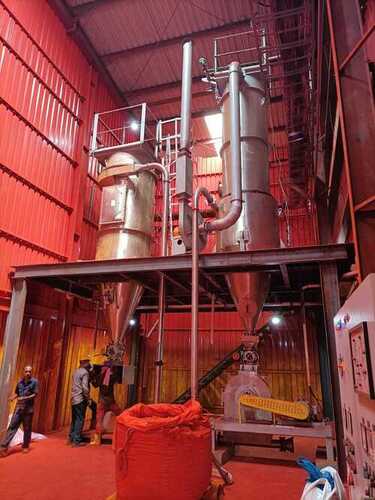
Tell us about your requirement

Price:
Quantity
Select Unit
- 50
- 100
- 200
- 250
- 500
- 1000+
Additional detail
Mobile number
Email

More Products in Pneumatic Conveying System Category
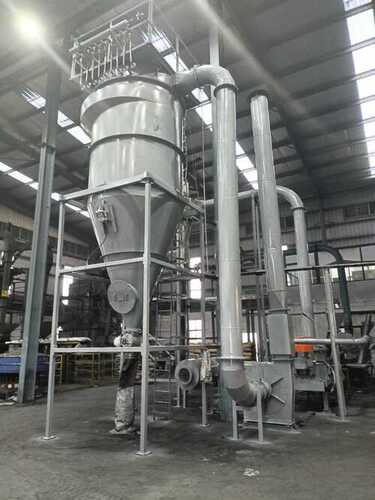
Lean Phase Vacuum Conveying System
Price 500000 INR / Unit
Minimum Order Quantity : 1 Unit
Usage : Industrial
Material : Mild Steel
Warranty : 1 Year
Color : Silver
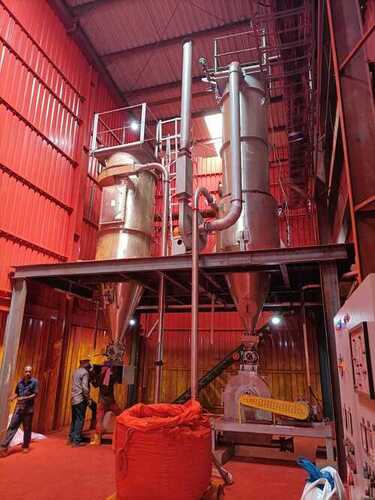
Pressure Conveying System
Price 500000 INR / Unit
Minimum Order Quantity : 1 Unit
Usage : Industrial
Material : Mild Steel
Warranty : 1 Year
Color : Silver
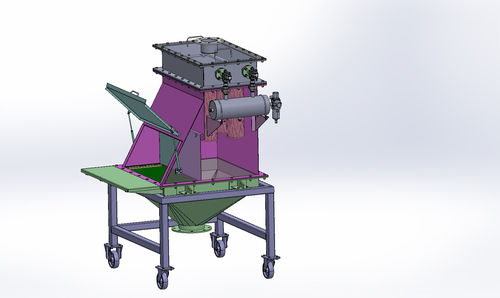
Bag Dump Station System
Price 300000 INR / Unit
Minimum Order Quantity : 1 Unit
Usage : Industrial
Material : Mild Steel
Warranty : 1 Year
Color : Silver
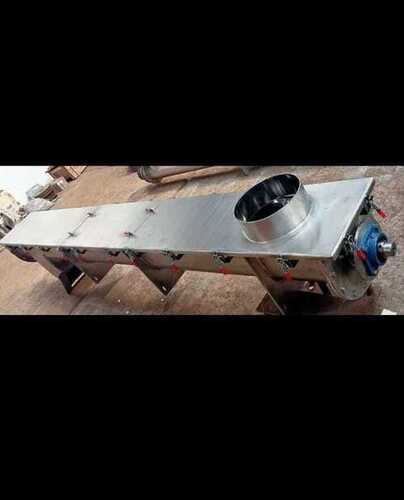
Screw Conveyor
Price 200000 INR / Unit
Minimum Order Quantity : 1 Unit
Usage : Industrial
Material : Mild Steel
Warranty : 1 Year
Color : Silver

Rathi Engineering Solutions Private Limited
All Rights Reserved.(Terms of Use)
Developed and Managed by Infocom Network Private Limited.
Developed and Managed by Infocom Network Private Limited.

